If you’re shopping for a truck-mounted crane in Texas or Louisiana, one of the first questions you’ll face is: how much capacity do I actually need? Get it wrong in either direction — too small and you can’t lift your heaviest loads safely, too large and you’re overpaying for a crane that’s adding unnecessary weight to your chassis — and you’ll regret it on every job site.
At Star Truck Equipment in Wharton, TX, we spec and install truck cranes daily. This guide breaks down how to choose the right crane tonnage for your work, with real-world examples from oilfield, construction, utilities, and service trades across Texas and Louisiana.
Why Crane Capacity Matters
Rated capacity on a truck crane — typically expressed in ton-feet or tons at a specified radius — tells you the maximum load the crane can handle under specific conditions. But a few important factors affect real-world lifting capacity:
- Boom extension — The longer you extend the boom, the less it can safely lift. A 6-ton crane might only lift 2 tons at full extension.
- Outrigger position — Cranes lift more when outriggers are fully deployed. Working over the side with outriggers stowed significantly reduces capacity.
- Chassis rating — Your truck’s GVWR, cab-to-axle length, and frame rating all affect what crane it can support safely.
- Counterweight and body weight — The weight of your service body, tools, and materials all reduce your payload and can shift the truck’s center of gravity.
Common Crane Capacity Ranges and Their Applications
3–5 Ton Cranes: Light-Duty Service and Utility
These compact cranes are common on F-350, F-450, Ram 3500, and Ram 4500 platforms. They’re ideal for:
- HVAC equipment lifting
- Generator service and placement
- Telecom and line work (setting poles, pulling cable reels)
- Light construction material handling
- Plumbing and mechanical contractors
Tiger Cranes offers models in this range that pair cleanly with medium-duty chassis. They’re known for smooth hydraulics and compact profiles that don’t overwhelm the truck.
6–10 Ton Cranes: The Oilfield and Construction Sweet Spot
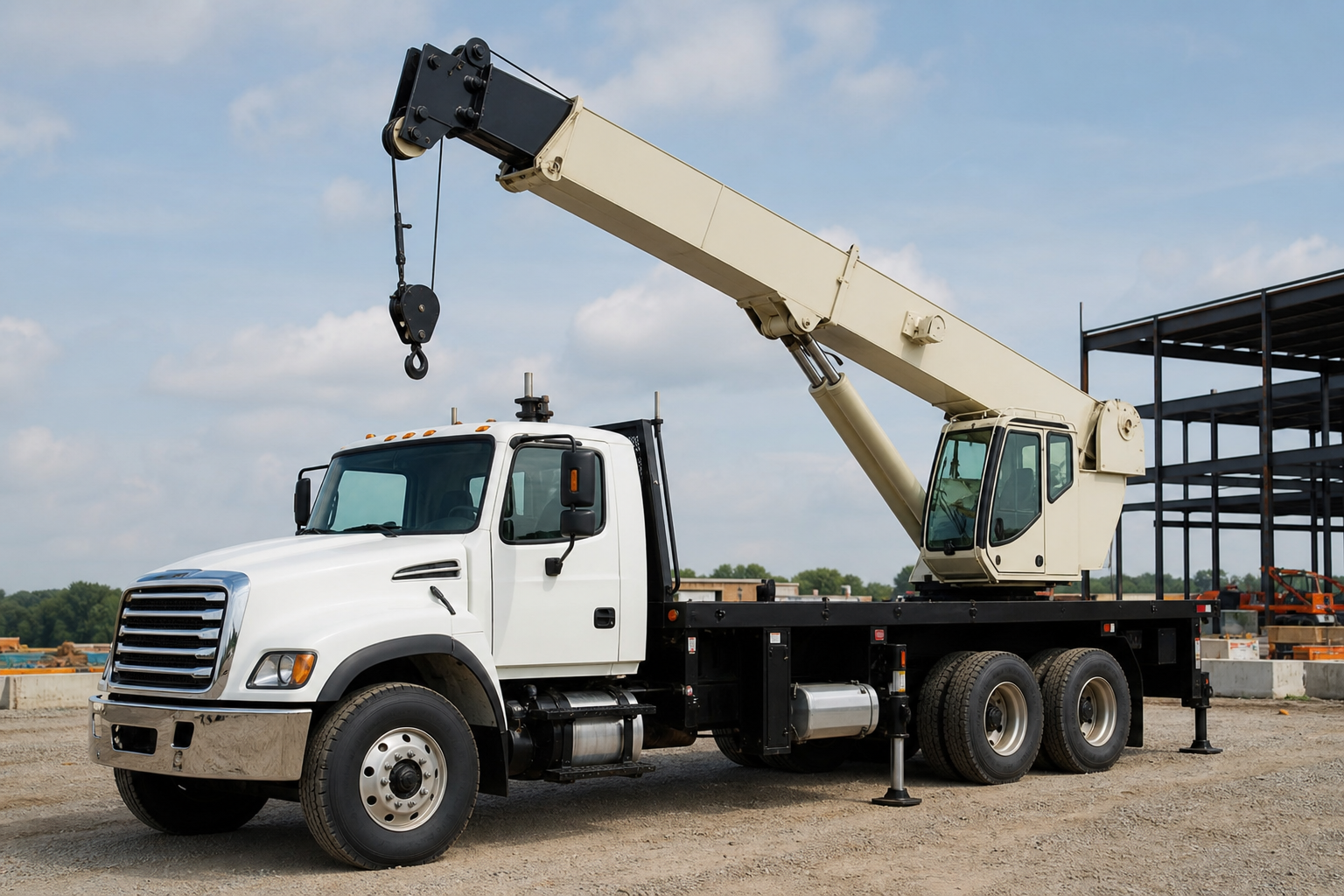
This is the most common range for Texas oilfield service contractors, pipeline crews, and heavy construction. These cranes ride on F-550, Ram 5500, and International HV series trucks and can handle:
- BOP and wellhead equipment
- Pump jack components
- Structural steel and heavy pipe
- Large mechanical equipment on construction sites
- Transformer and electrical gear
STI (Service Trucks International) crane bodies pair with cranes in this range, offering purpose-built crane body platforms with integrated storage, outrigger pockets, and structural reinforcement. Their STI Voyager and Titan series are popular across South Texas oilfields.
10+ Ton Cranes: Heavy Specialty Work
Anything above 10 tons typically requires a Class 5 or Class 6 chassis, sometimes tandem-axle configurations. Applications include:
- Drilling rig servicing
- Heavy pipeline and infrastructure
- Industrial plant maintenance
- Bridge and highway construction
If your work regularly involves lifts in this range, call us to discuss chassis options and which crane bodies are structurally appropriate.
How to Pick the Right Tonnage: A Practical Framework
- Identify your heaviest regular lift — Not your maximum ever, but the heaviest thing you lift 20% or more of the time. Build for that, with some headroom.
- Factor in boom reach — How far out from the truck do you typically need to lift? If you’re lifting heavy at distance, you need more capacity than the raw weight suggests.
- Check your chassis first — Your truck’s cab-to-axle measurement and frame rating determine what crane sizes are even possible. We’ll help you match the right crane to the right truck.
- Don’t oversize unnecessarily — Bigger cranes mean heavier trucks, lower payload, higher registration costs, and more wear. Match the crane to the actual job.
- Think about what else is on the truck — A full service body loaded with tools, fluids, and parts can weigh 3,000–5,000 lbs before the crane lifts anything. Account for that in your total payload math.
Tiger Cranes and STI: What We Stock and Spec
At Star Truck Equipment, we work with Tiger Cranes and STI — two of the strongest names in truck-mounted cranes and crane bodies for Texas and Louisiana contractors.
Tiger Cranes are built in the USA and known for their durability in demanding oilfield and utility environments. Their line covers capacities from compact 3-ton models up through heavy-duty configurations, with options for remote control, hydraulic rotation, and winch integration.
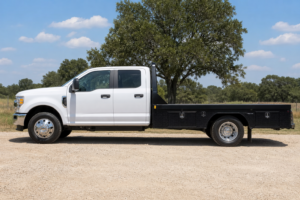
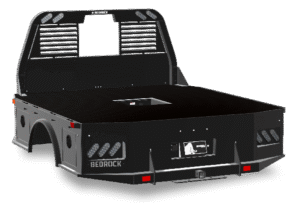
STI crane bodies provide the structural platform underneath — purpose-built with crane mounting pads, outrigger supports, and integrated storage designed for the crane body’s specific loads. A well-matched STI crane body and Tiger Crane combination is one of the cleanest, most capable setups you can put on a work truck.
Ready to Spec Your Truck Crane?
Our team in Wharton, TX can help you match the right crane capacity to your truck and your work. We serve contractors, oilfield companies, utilities, and service fleets across Texas and Louisiana — and we’ll help you build a truck that’s sized right for your jobs, not just the heaviest thing you might ever lift.
Call us at (979) 532-1486 to talk through your options. We’re happy to discuss tonnage requirements, chassis compatibility, and full upfitting packages for your fleet.
Browse our crane bodies and service bodies online, or stop by our location at 2507 County Rd 231, Wharton, TX 77488.