
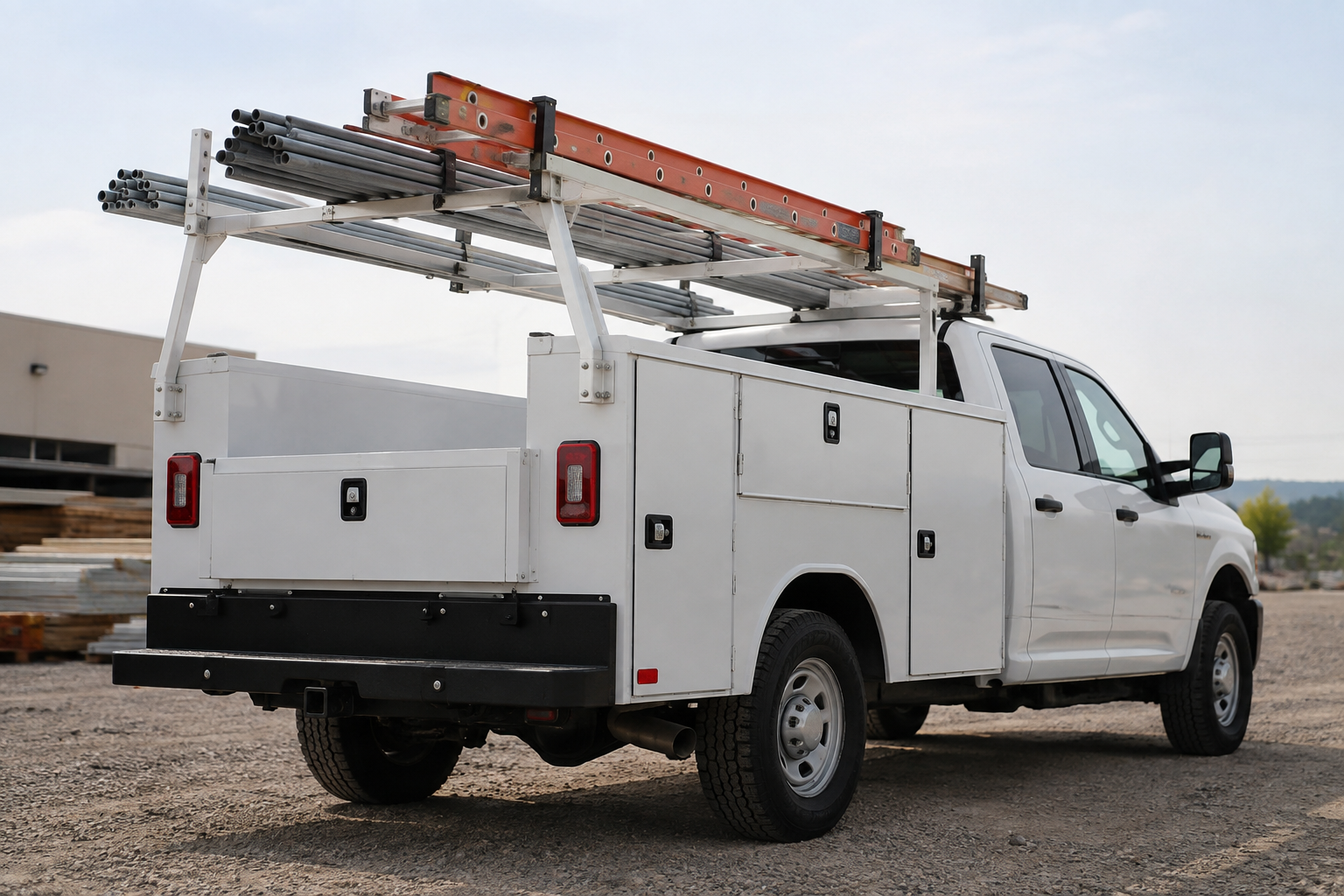
Rear Rack vs. Side-Mount Ladder Rack on a Service Body: Which One Should You Spec?
A ladder rack is one of the first accessories most service body buyers add, but where it mounts changes how the truck loads, drives, and gets used every day. The…
A ladder rack is one of the first accessories most service body buyers add, but where it mounts changes how the truck loads, drives, and gets used every day. The…
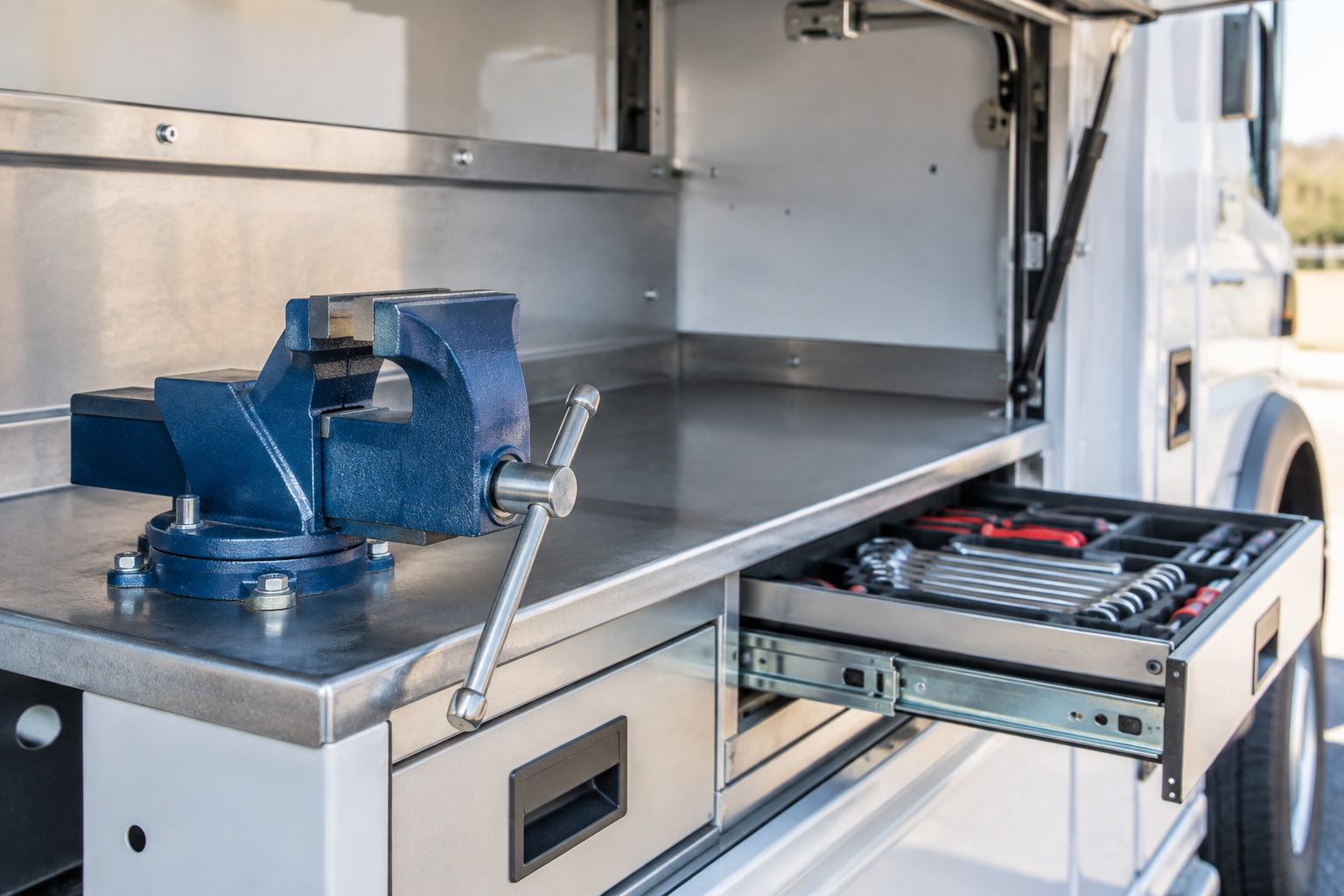
The workbench compartment on a service body gets used every single day, and how you outfit it changes what a crew can actually do in the field. Two of the…

A loaded service body or flatbed has huge rear blind spots — stacked toolboxes, ladder racks, cranes, and headache racks all block the driver's view straight back. Two of the…
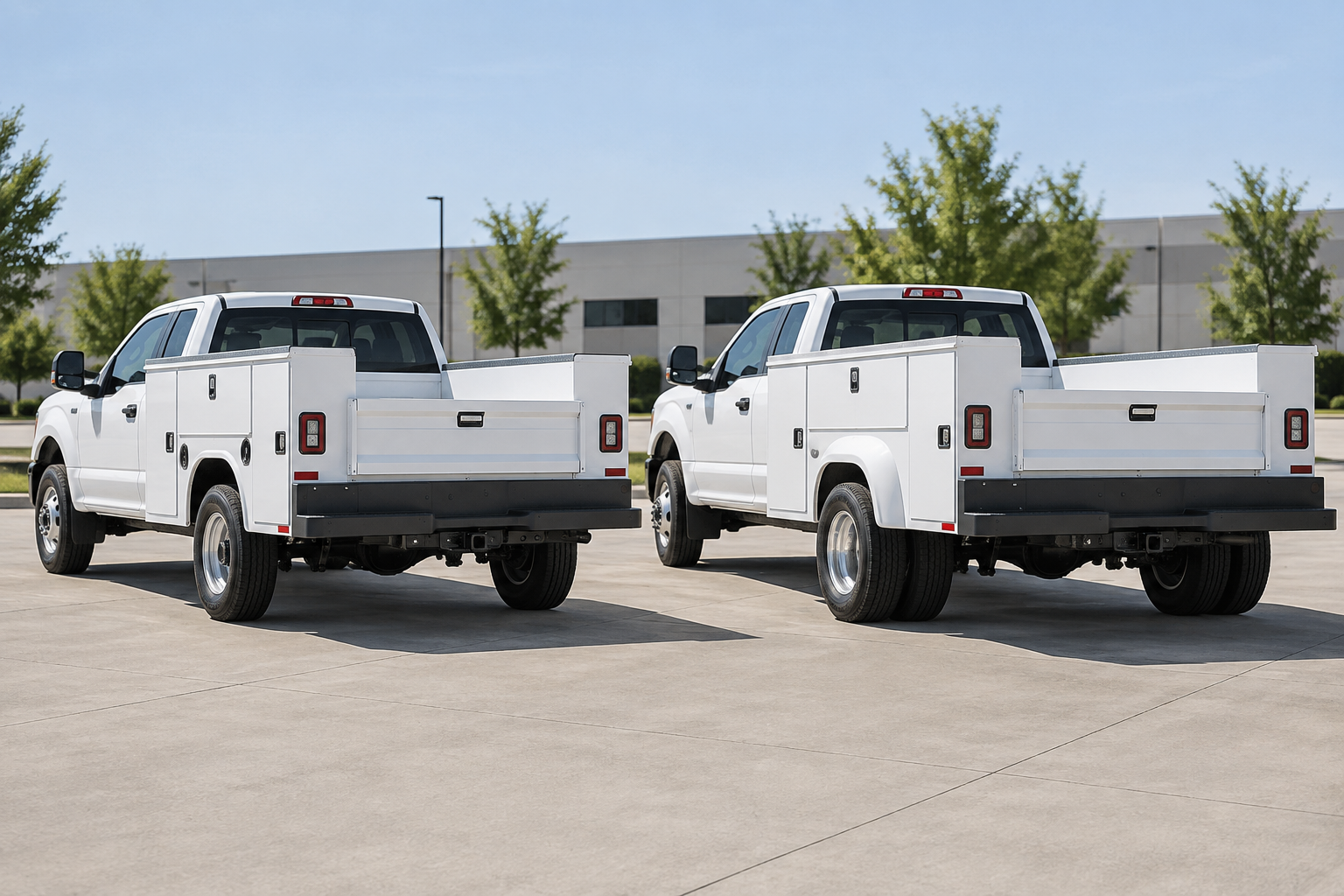
One of the first specs to nail down before a service body or flatbed ever goes on the chassis is whether the truck rides on single rear wheels (SRW) or…
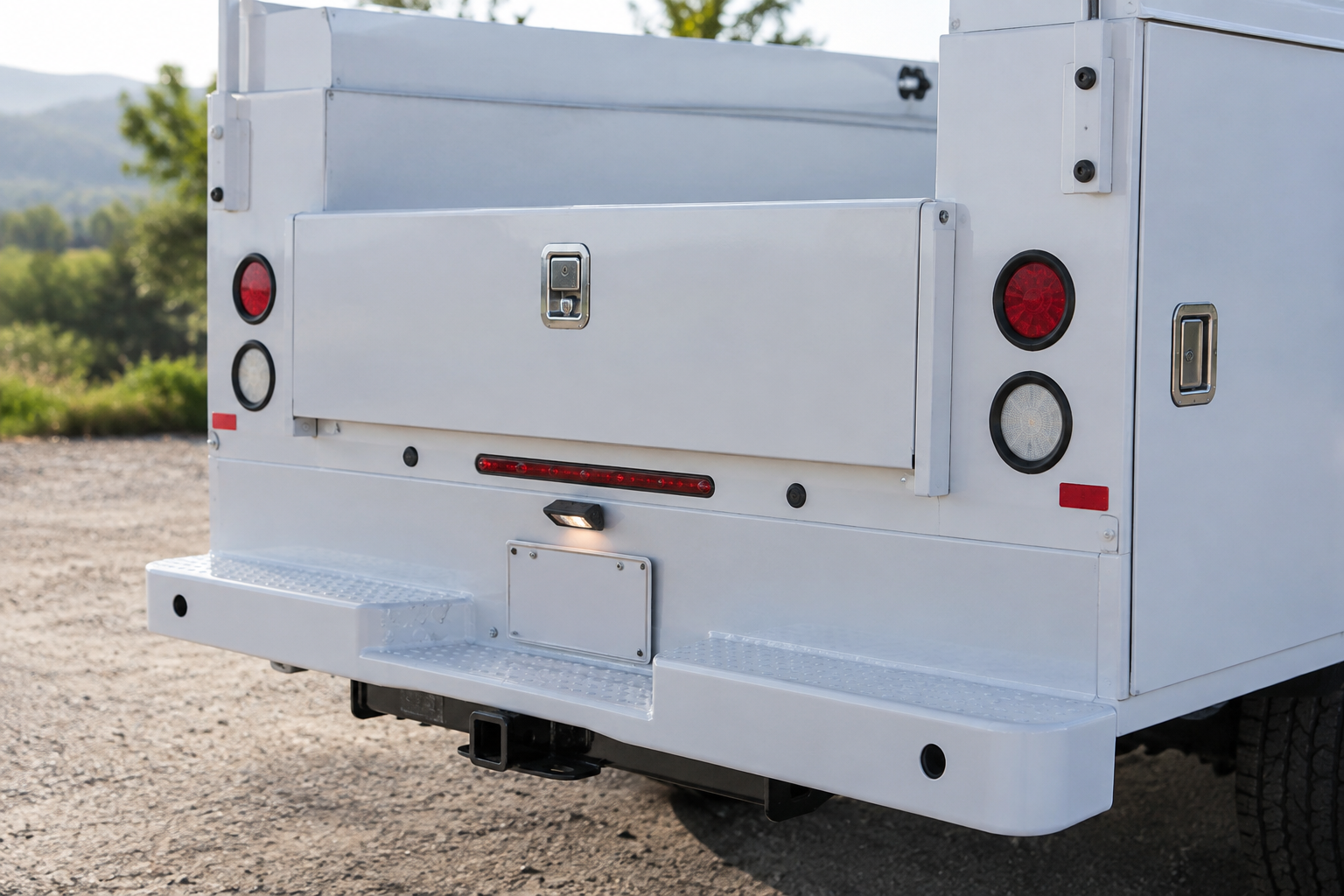
Rear lighting is one of the last things buyers think about when speccing a new service body — and one of the first things a DOT inspector checks. When a…
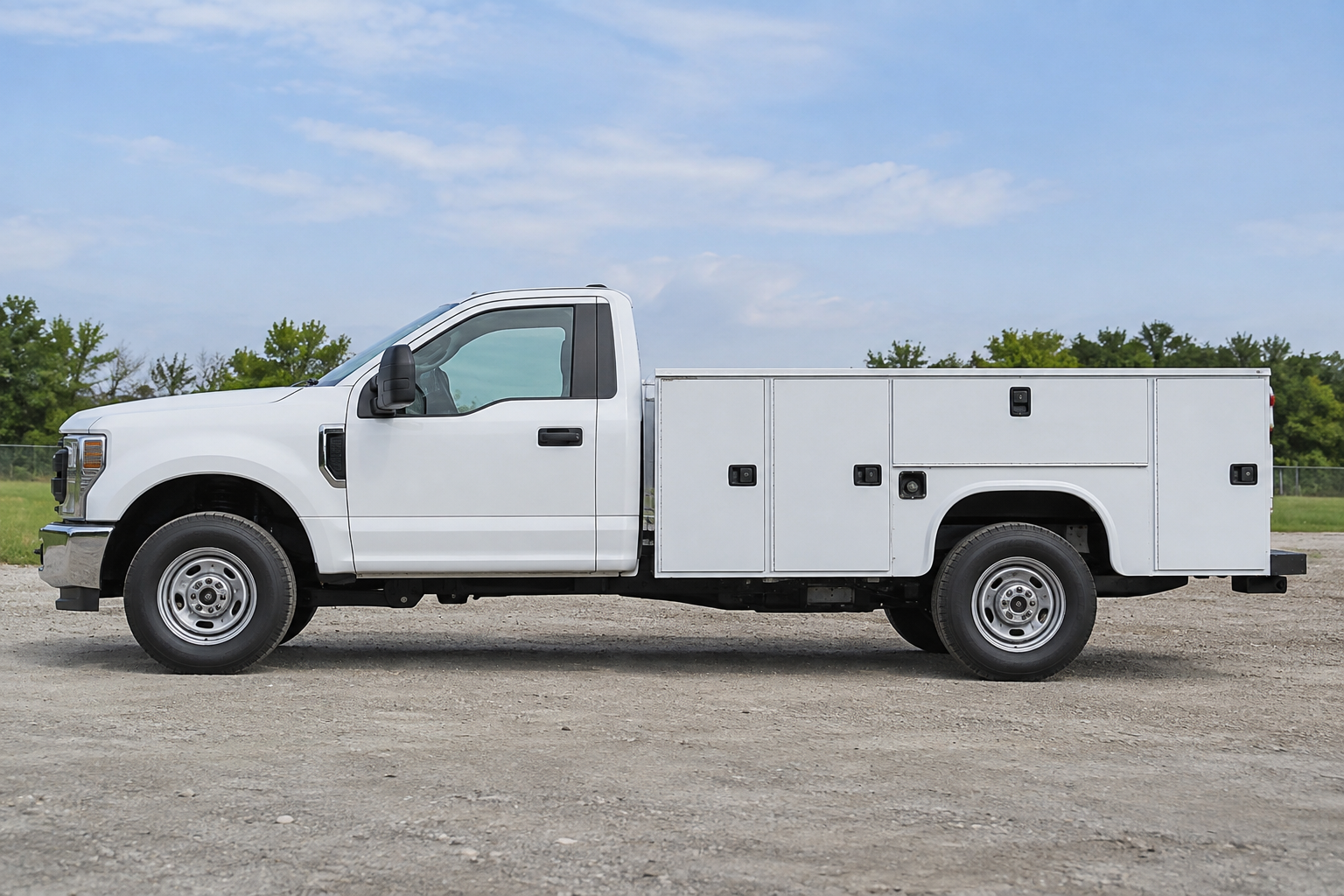
Not every service body needs the same compartment layout, and getting it wrong means paying for storage you don't use or running out of dedicated space for the gear you…
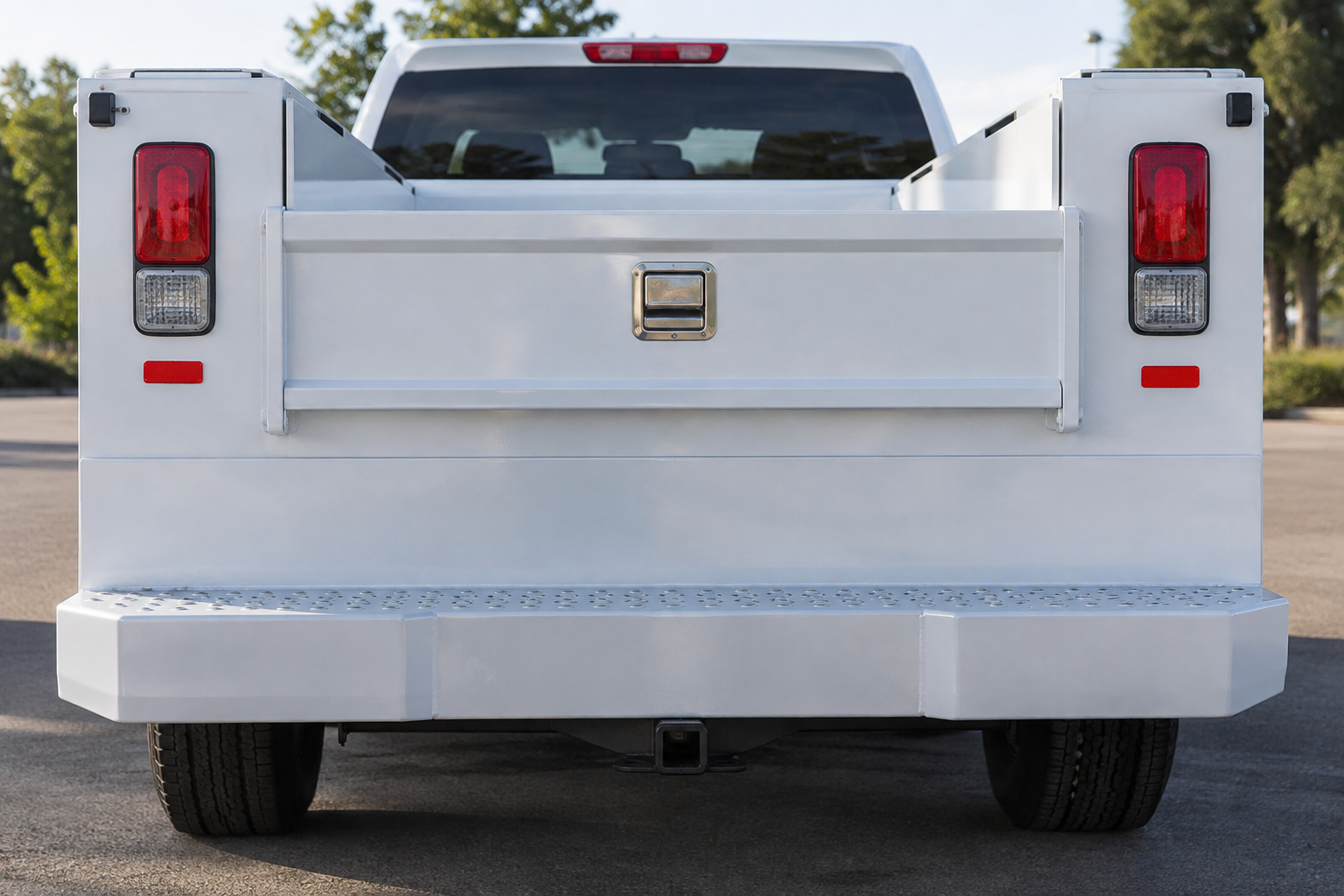
Getting in and out of the bed, and having a solid place to stand while loading or unloading, matters more than most buyers expect when they're speccing a service body.…
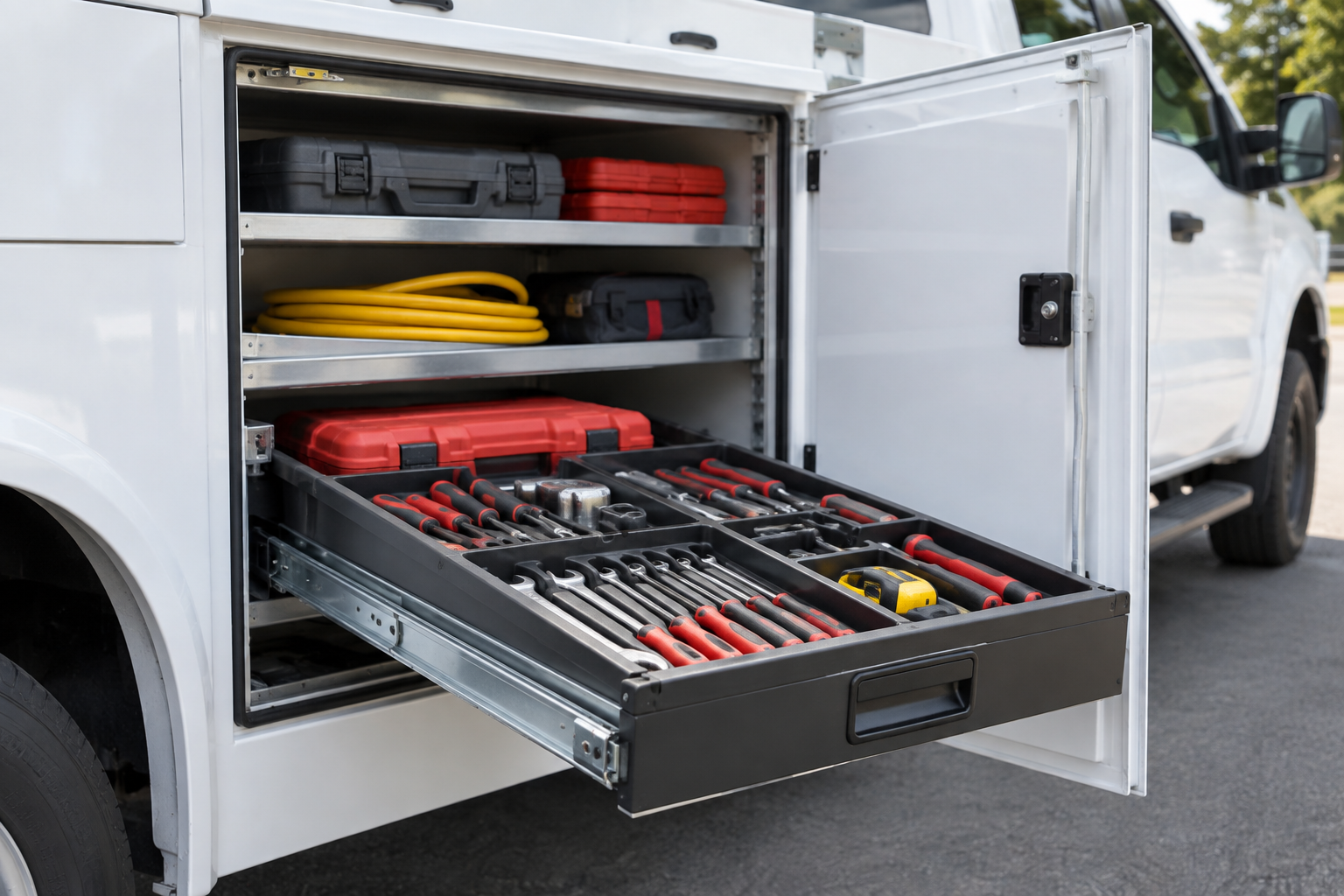
Once you've settled on a service body for your trade, the next decision that actually changes how you work every single day is how the compartments open. Two designs dominate…
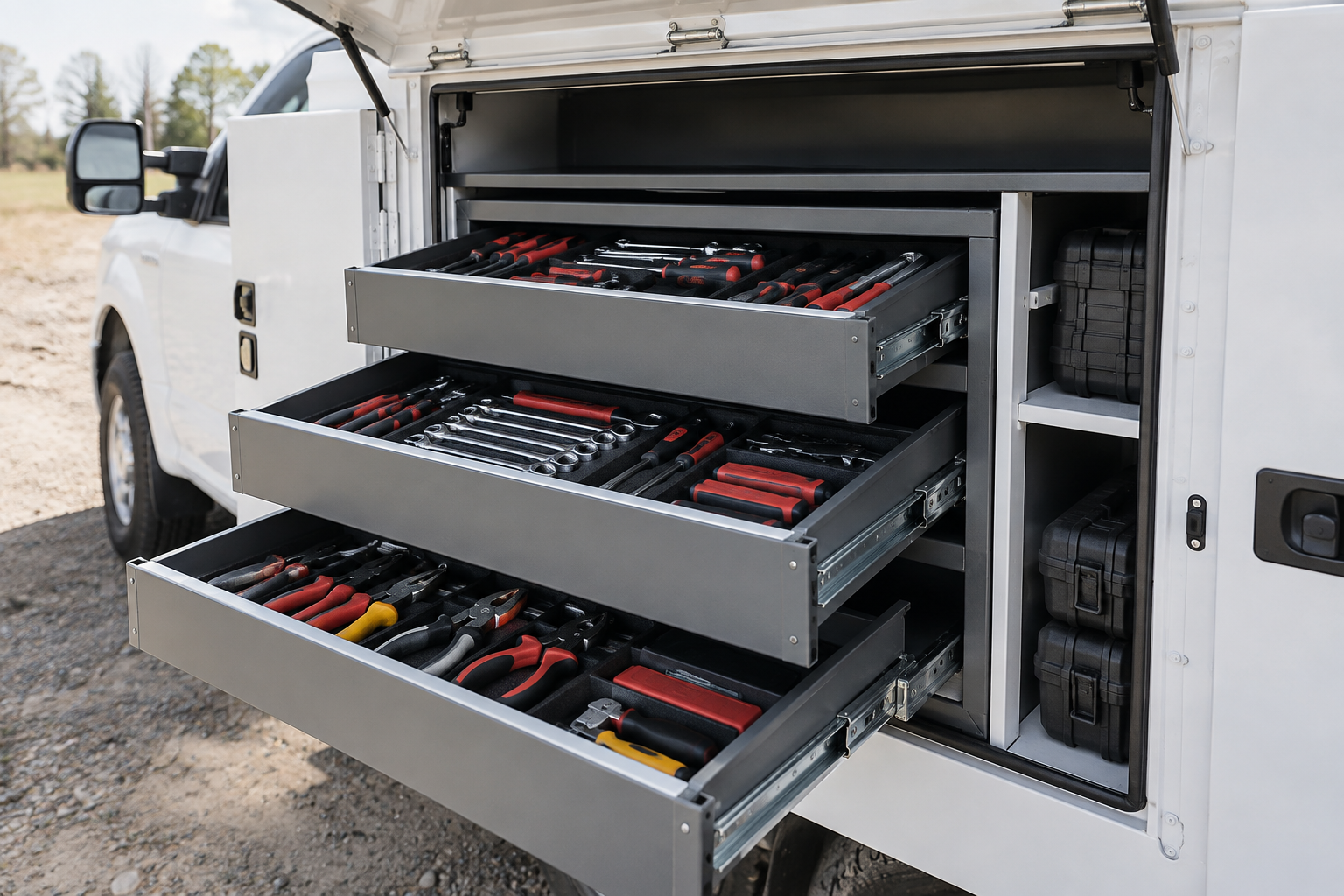
A service body is only as useful as what's organized inside it, and the compartment layout you choose changes how fast a tech can find a part on a job…
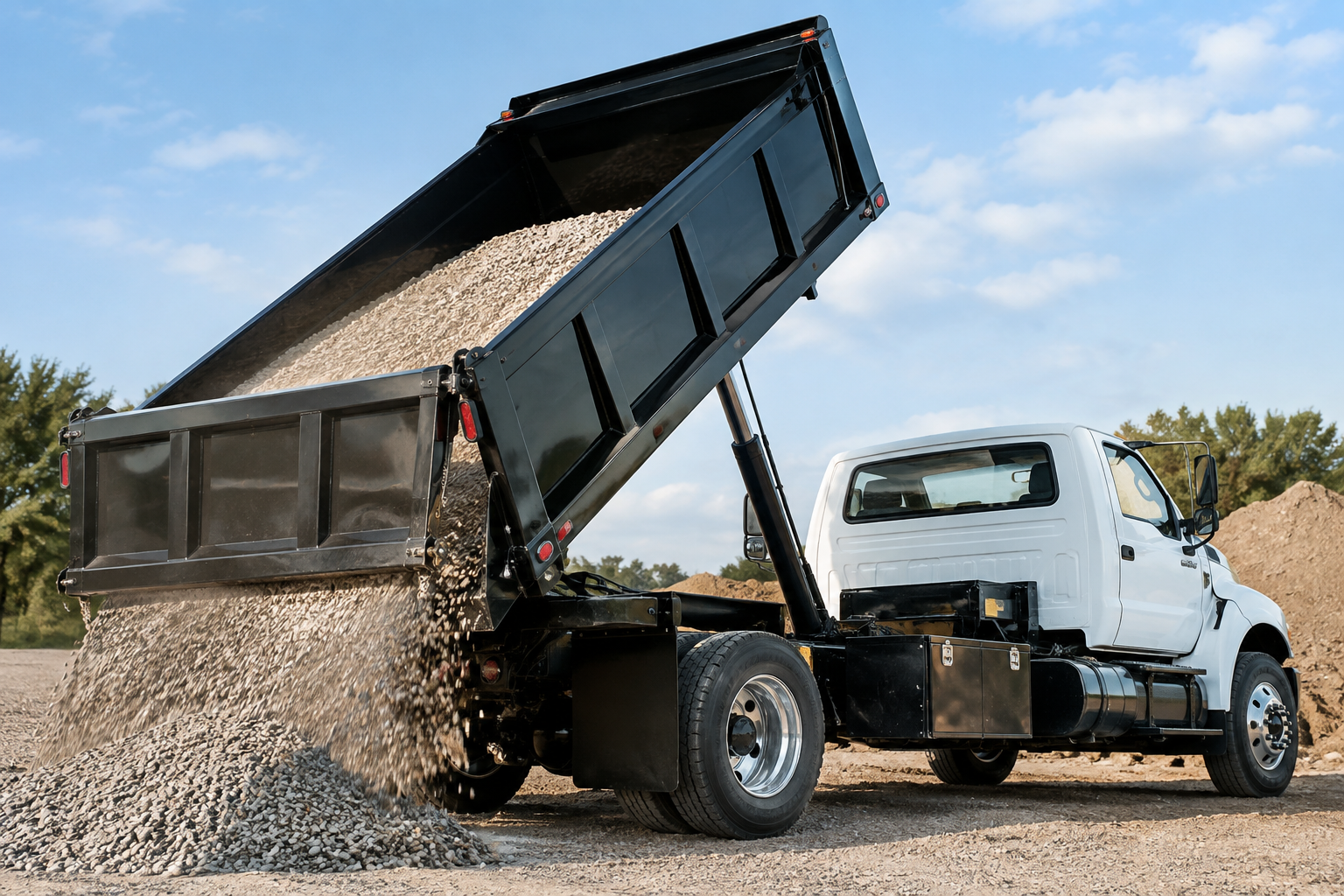
Dump bodies move material fast, but the hoist system underneath the bed is what actually determines how well that truck holds up over years of daily use. Most work trucks…