If you’re outfitting a service fleet in Texas or Louisiana, one question comes up constantly: do we need a crane body or a mechanics truck? Both are powerful tools for keeping equipment running in the field — but they serve different purposes, and buying the wrong one is an expensive mistake. This guide breaks it down so you can make the right call for your operation.
What Is a Crane Body?
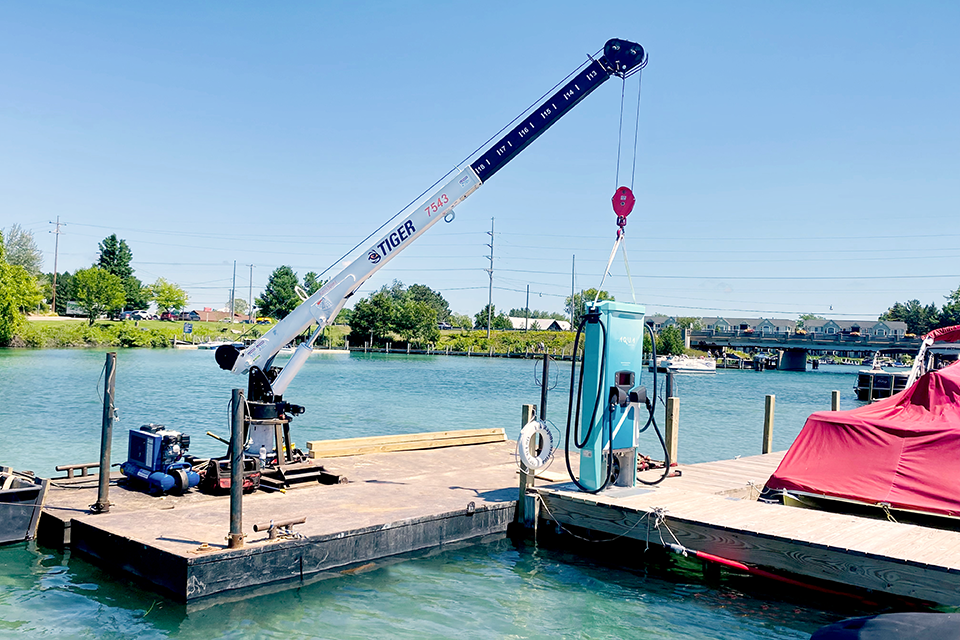
A crane body is a service truck body built around a truck-mounted hydraulic crane. It typically includes:
- A telescoping or articulating crane (typically 3–20+ ton capacity)
- Lockable tool storage compartments
- A flat work surface or integrated platform
- Hydraulic power take-off (PTO) system
Crane bodies are the go-to choice when your crews need to lift heavy loads, set equipment, or position materials in the field — think oilfield service, heavy construction, utility line work, and industrial maintenance. Brands like Tiger Cranes and STI (Service Trucks International) specialize in crane body configurations built specifically for these demanding environments.
What Is a Mechanics Truck?
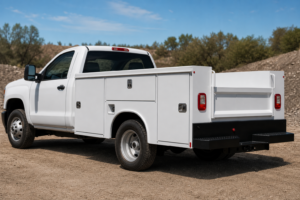
A mechanics truck (also called a lube truck or service truck) is designed to be a fully mobile repair shop. Key features include:
- Extensive lockable tool and parts storage (60–120+ drawers and compartments)
- Built-in air compressor and generator
- Welder-ready or integrated welder options
- Lube and fluid management systems (oil, grease, DEF)
- Work lights and power outlets for tools
- Small jib or swing crane (1–3 tons) in many configurations
Mechanics trucks are the backbone of preventive maintenance and on-site repair operations. When a piece of heavy equipment breaks down in the field, a mechanics truck rolls up and handles the job without hauling it to a shop. STI mechanics trucks are a top choice for Texas and Louisiana fleets running oilfield, construction, and agricultural operations.
Key Differences at a Glance
| Feature | Crane Body | Mechanics Truck |
|---|---|---|
| Primary function | Lifting and positioning loads | Field repair and maintenance |
| Lifting capacity | 3–20+ tons (full crane) | 1–3 tons (jib only, if equipped) |
| Tool storage | Moderate (compartments around crane) | Extensive (drawers, bins, lockers) |
| Fluid management | Not standard | Standard (oil, grease, DEF systems) |
| Air compressor | Optional | Standard |
| Best for | Heavy lift, rigging, equipment placement | Repair, PM, diagnostics |
| Typical chassis | F-550, Ram 5500, medium duty | F-450/F-550, Ram 4500/5500 |
When Your Fleet Needs a Crane Body
Choose a crane body if your crews regularly:
- Lift and position heavy equipment, pipe, steel, or machinery
- Work on utility poles, overhead lines, or elevated structures
- Set equipment into tight or restricted access areas
- Operate in oilfield, pipeline, or industrial settings where lifting capacity is non-negotiable
A Tiger Crane mounted on a heavy-duty chassis can handle jobs that no amount of manual labor can match. When you’re setting a pump jack, rigging a compressor, or positioning a transformer, you need lift capacity — not just tool storage.
When Your Fleet Needs a Mechanics Truck
Choose a mechanics truck when your priority is:
- Minimizing equipment downtime through fast field repairs
- Running preventive maintenance routes (PM trucks)
- Carrying enough parts, fluids, and tools to fix most problems on-site
- Supporting multiple pieces of equipment across a large jobsite
The STI mechanics truck lineup is built specifically for Texas work environments — oilfield, agriculture, construction, and heavy industry. STI bodies integrate welder, compressor, fluid management, and crane options in a single coherent package.
Can You Have Both? Combo Units
For fleets that need lifting and repair capability, there are combination units — crane body trucks with integrated mechanics storage and fluid management. These “combo service trucks” are popular in oilfield and pipeline operations where a single truck needs to do everything. The trade-off is cost and weight, but for the right operation, a combo unit replaces two separate trucks.
Talk to our team in Wharton, TX about STI and Tiger configurations that can be spec’d as combination units for your fleet.
Cost Comparison
Budget matters. Here’s a rough range to plan around:
- Crane body truck (fully upfitted): $80,000–$180,000+ depending on crane capacity and chassis
- Mechanics truck (fully upfitted): $70,000–$140,000+ depending on storage, compressor, welder, and crane options
- Combo unit: $120,000–$220,000+ for full-spec crane + mechanics integration
Financing is available for fleet purchases. Call us at (979) 532-1486 to discuss options for your fleet size and budget.
Talk to a Fleet Specialist in Wharton, TX
At Star Truck Equipment, we spec and install crane bodies and mechanics trucks for fleets across Texas and Louisiana. We carry Tiger Cranes, STI service bodies, RKI, and more — and we’ll help you match the right body to your chassis, budget, and operational needs.
📞 Call (979) 532-1486
📍 2507 County Rd 231, Wharton, TX 77488
Serving all of Texas and Louisiana.