Aluminum or Steel Flatbed: What Wins in Gulf Coast Humidity?
If you’re running a work truck anywhere near the Texas Gulf Coast or across Louisiana, you already know humidity, salt air, and constant moisture take a toll on equipment faster than they do inland. When it comes time to choose a new flatbed, one of the most common questions we hear at Star Truck Equipment in Wharton, TX is simple: aluminum or steel — which one actually holds up better out here?
Here’s an honest, practical breakdown to help you decide.
Steel Flatbeds: Strength First, Finish Matters
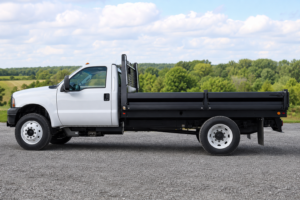
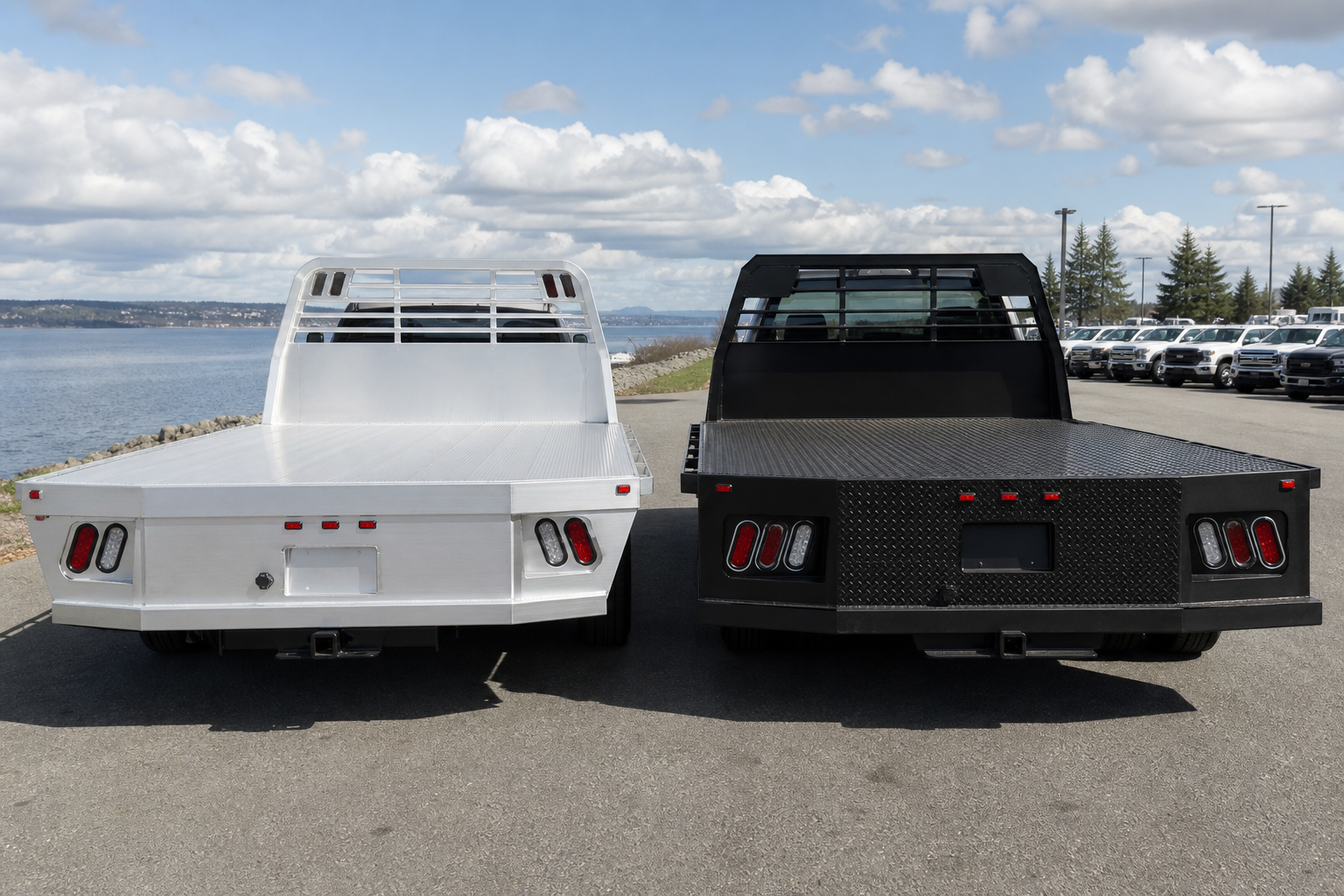
Steel is the workhorse choice for a reason. It’s strong, resists denting and puncture damage from heavy loads, tools, and equipment, and it’s typically less expensive than a comparable aluminum bed. Brands like CM, Norstar, and Bedrock build steel flatbeds with heavy-gauge steel and quality powder-coat finishes designed to stand up to Texas heat and coastal moisture.
The catch: steel can rust if the finish is scratched or chipped and not touched up. In high-humidity, salt-air environments like Houston, Galveston, Lake Charles, or New Orleans, that means a little more attention to maintenance — rinsing off salt film, checking for exposed metal after hauling rough cargo, and touching up any chips promptly.
Aluminum Flatbeds: Naturally Corrosion Resistant
Aluminum flatbeds, like those from Aluma, don’t rust the way steel can — aluminum naturally forms a protective oxide layer that resists corrosion even in salty, humid air. That makes aluminum an appealing option for coastal fleets, marine service trucks, and anyone running near saltwater or brackish conditions day in and day out.
Aluminum is also lighter than steel, which can mean better fuel economy and more usable payload capacity within your truck’s GVWR. The tradeoff is a higher upfront cost and, in some cases, less resistance to dents and punctures from heavy point-loads compared to steel.
So Which Should You Choose?
- Choose steel if you haul heavy, abrasive loads (gravel, pipe, equipment) and want the lowest upfront cost, and you’re willing to keep up with routine finish maintenance.
- Choose aluminum if your truck runs near saltwater, marshland, or coastal job sites constantly, and you want to minimize long-term corrosion risk and maximize payload.
- Either way, a quality powder-coat finish and consistent care go a long way — even the best material won’t perform if it’s neglected.
Note: Star Truck Equipment does not offer galvanized finishes — our steel flatbeds use quality powder-coat systems built to hold up in Gulf Coast conditions.
Talk to Star Truck Equipment
We stock both steel and aluminum flatbed options and can walk you through the real-world tradeoffs based on where you work and what you haul. Serving Houston, Katy, Sugar Land, Richmond, Rosenberg, Victoria, San Antonio, and communities across Texas and Louisiana.
Call Star Truck Equipment at (979) 532-1486 or visit us at 2507 County Rd 231, Wharton, TX 77488 to compare flatbed options in person. Browse our flatbed inventory or explore all truck bed categories we carry.