A truck-mounted crane is one of the most productive tools on a work truck, and one of the most dangerous when operated by someone untrained. If you are adding a crane to your fleet, operator training is part of the purchase. Here is what Texas and Louisiana buyers should plan for, from the team at Star Truck Equipment in Wharton, TX.
1. Know Your Crane’s Load Chart
Every crane has a load chart showing capacity at each boom extension and angle. Capacity drops fast as the boom extends. Operators must read the chart before every lift, and account for the weight of rigging. Our Tiger crane lineup ships with load charts and manuals for each model.
2. Setup: Outriggers and Ground Conditions
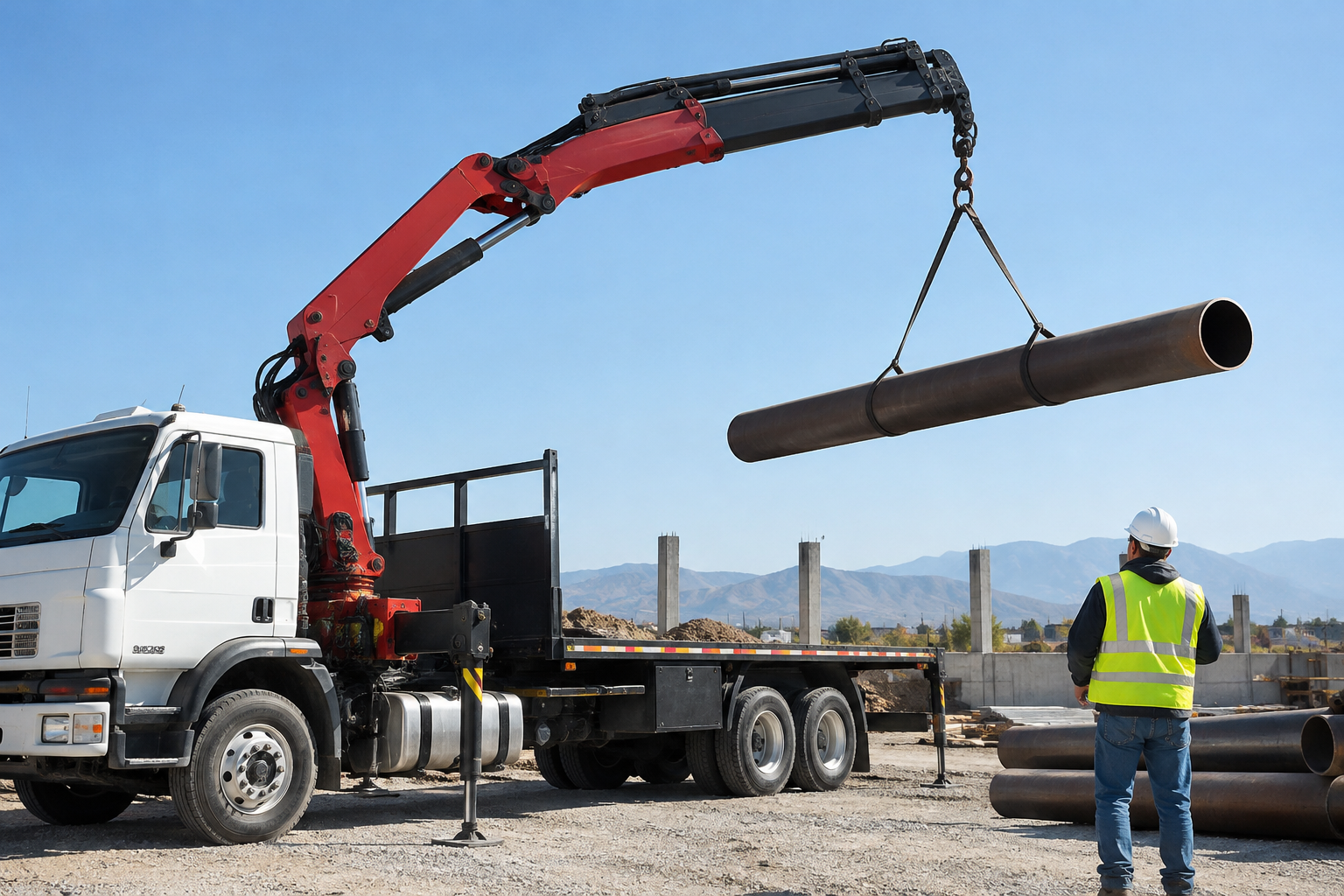
Level the truck, fully deploy outriggers, and use pads on soft soil. Gulf Coast clay turns soft after rain, so pad size matters. Never lift with outriggers partly extended unless the chart allows it.
3. Inspection Before Each Shift
Check hydraulic hoses for leaks, wire rope or chain for wear, hooks and latches, and controls and limit devices. Log what you find. Pair this with the routine in our preventive maintenance guidance.
4. Training and Certification
Operators should be trained on the specific crane, hand signals, rigging basics, and overhead power line clearance. Requirements can depend on your industry and jobsite, so confirm what OSHA and your insurer require. Many fleets document training for each operator and refresh it yearly.
5. Power Lines and Site Hazards
Survey the site before setting up. Keep the boom well clear of power lines, and assign a spotter when visibility is limited. Never let anyone stand under a suspended load.
6. Pick the Right Body for the Crane
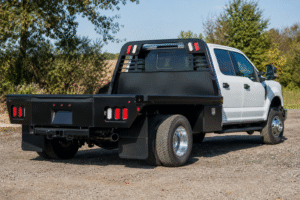
A crane needs a body built to carry it. A service body with a crane gives you tool storage and lifting in one package, while a flatbed suits long materials. Chassis rating and stability matter, so we help match crane, body, and truck.
Questions About a Crane Upfit?
Call Star Truck Equipment at (979) 532-1486. We are in Wharton, TX and install for customers across Texas and Louisiana.