
Spray-In Liner vs. Treadplate Deck: Which Flatbed Surface Wins?
Every flatbed and service body needs a deck surface that can take a beating — chains, tools, pallets, and loaded totes dragged across it every day. The two most common options are a spray-in bedliner coating and bare diamond treadplate (checker plate). Both hold up to commercial use, but they behave very differently once your truck is out working in Texas heat or Louisiana humidity.
Spray-In Liner Decks: Traction and Cargo Protection
A spray-in liner is a textured polyurethane coating applied directly over the deck. It grips cargo better than bare metal, which matters when you’re hauling loose tools, pipe, or equipment that can shift and slide during transport. The textured finish also protects the underlying steel or aluminum from scratches and dents, and it dampens noise and vibration from cargo bouncing around. Liners come in different textures and thicknesses, and most hold color well without fading as fast as paint. The tradeoff: a liner is a coating, not the structure itself, so if it’s punctured or worn through in high-traffic spots, the exposed metal underneath can start to rust or corrode, especially in wetter climates.
Treadplate Decks: Built-In Durability
Diamond treadplate is raised pattern steel or aluminum — the durability is baked into the material itself, not a coating on top of it. There’s nothing to wear through, chip, or peel, which makes treadplate a low-maintenance choice for high-abuse applications like ranching and ag hauling or oilfield work where a deck gets dragged, chained, and dropped on constantly. Aluminum treadplate also resists corrosion naturally, which is a real advantage along the Gulf Coast. The downside is that bare treadplate offers less traction and cushioning for cargo than a liner, and scratches show more visibly on a bright aluminum finish over time (though this is cosmetic, not structural).
Which Deck Fits Your Work?
- Loose or shifting cargo: A spray-in liner’s grip and cushioning helps keep tools, parts, and loose freight from sliding during transport.
- Heavy chain-and-drag use: Treadplate’s built-in durability holds up better where equipment is repeatedly dragged or chained down, since there’s no coating to wear through.
- Coastal and high-humidity routes: Aluminum treadplate’s natural corrosion resistance is a strong long-term option for Louisiana and Gulf Coast operations.
- Noise and vibration: A liner dampens rattle and clatter better than bare metal, which some crews prefer for daily driving comfort.
- Budget and maintenance: Treadplate needs less upkeep over the life of the truck since there’s no coating to reapply or repair if damaged.
Specced Right for How You Work
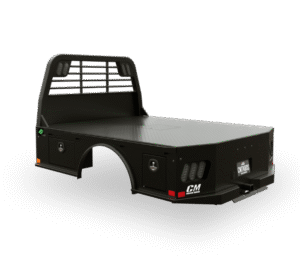
Star Truck Equipment builds flatbeds and service bodies with deck options matched to your job — whether that’s a CM, Norstar, or Bradford Built flatbed with a treadplate deck, or a service body with a sprayed-in liner for grip and noise control. We’ll walk you through which surface makes the most sense for your route, climate, and cargo.
Talk to Star Truck Equipment
Not sure whether a spray-in liner or treadplate deck is the right call for your work truck? Our team in Wharton, TX helps fleets and independent operators across Texas and Louisiana spec the right deck surface, mounting, and configuration for their trucks.
Call Star Truck Equipment at (979) 532-1486 or visit us at 2507 County Rd 231, Wharton, TX 77488 to talk through deck and truck bed options for your fleet.